
How to Deal With the Gypsy Moths Outbreak in Ontario
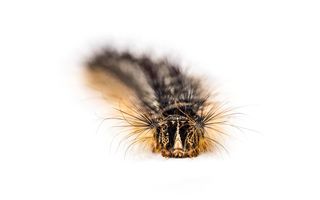
The outbreak of gypsy moths in Ontario has been unprecedented, in the sheer numbers this year surprising even the Ministry of Natural Resources and Forestry. Gypsy months are a caterpillar-turned moth, which poses a risk to trees across Ontario. Citizens across the city are having to deal with gypsy months invading their offices, shops, homes, etc. Homeowners have reported numerous sightings of the often dark and hairy gypsy moth caterpillars with distinctive red dotted backs.
While gypsy moths aren’t new and are often seen across Greater Toronto Area during the spring, this year, the numbers of these insects are larger than what people have had to deal with in the past. Also, unlike in the past, they seem to be popping up across all areas of the city this year with larger egg masses.
1. Damage Caused By A Gypsy Moth Outbreak?
Gypsy moths are mostly unwelcome seasonal, invasive species of insects that start as caterpillars feeding on leaves before they form a cocoon to transition into a moth; that’s when they start causing severe defoliation of the trees in the city. The loss of leaves can put undue stress on the trees, making them vulnerable to various types of harm from diseases to insects, and even the fluctuating weather can destroy them (trees).
The impact on trees across Southern Ontario has been an ongoing issue for quite some time as the city continues to battle an assortment of insects. However, the defoliation of trees by the gypsy moth caterpillar has raised a lot of concern amongst citizens whose backyards now appear barren in summer.
While healthy trees can withstand a gypsy moth attack for several years, and lots of defoliation, though some species of trees are more vulnerable than others. The good news is that many common trees in the city like birch, maples, basswood, and Norway maple can recover even from the worst outbreak.
2. How is Ontario Dealing with the Gypsy Moth Infestation?
The city used an aerial spray of pesticides targeting large areas with heavy infestation In the past. Though Ontario has opted out of using the spray or even considering it as an option in 2021. Generally, the need for an aerial spray is determined after surveying egg masses.
The small pockets of gypsy moth populations in the city now require various ground-based treatments on around 5000 trees. However, these are trees owned by the city and not on your property. This means you’re left holding the bag when it comes to addressing the gypsy moth population in your backyard.
However, the city has a suggestion for people coping with a gypsy moth infestation in their backyards, i.e. trap the caterpillars using a burlap cloth on the tree trunks. The city asks that residents search their trees for signs of eggs in May or sometime early spring. However, the question is, without any experience spotting these little grey eggs, can a homeowner DIY gypsy moth population control? Unfortunately, not everyone has the stomach or the experience to deal with insects of any type on their own, which is why it's best to hire a professional for the job.
3. How to Deal with Gypsy Moth Caterpillars?
As we’ve discussed above, Ontario has its own way of dealing with gypsy moth caterpillars, but as a homeowner with trees in their backyard, how do you get rid of these insects? Well, you can use a spray, but the best time to do that is in May because it's when the caterpillars are ingesting leaves. Usually, caterpillars will start chewing on leaves starting at the end of May and beginning of June, and then right through June.
If you’ve noticed the infestation in July, August, or any later month, using a spray is a waste of money because there aren’t leaves left to munch on for the insect. The best remedy here is to wrap burlap around chest level on the tree trunk, which attracts caterpillars seeking refuge from the sun. Mid to late June is the best time to use burlap. Then make sure to check the burlap once a week at least or twice a day at best to remove caterpillars and then toss these insects into soapy water.
Some Ontarians are also using a vacuum, and others are using a broom, which can work too. However, the idea here is to take a natural approach without the need for toxic pesticides similar to what the ministry of natural resources is doing.
With that being said, if the outbreak is becoming an emergency or affecting your quality of life, professionals companies such as Prime Pest Control have been providing professional gypsy moth removal services.
4. Will Ontarians Have To Deal with This Next Year?
Gypsy moth populations will remain high for around two to three years, after which they will collapse, returning to their otherwise relatively low levels. Most times, the population will collapse as a result of a viral disease referred to as NPV, which will affect the gypsy moth caterpillars. When the population is high, the caterpillars are then competing for food and shelter with others, which stresses them out, leading to them becoming more susceptible to NPV.
After the heavy defoliation, the lack of leaves left for them to feed on, the NPV disease and fungal diseases all combined often kill high populations of the gypsy month. Then the levels of gypsy moths will remain low for up to a decade and even longer at times. Later some factors will trigger yet another outbreak starting a new cycle for the insects. Based on egg masses this year, most experts believe, Ontario has already faced the worst outbreak which means it only gets better from here next year.
If your backyard, office, or shop is infected with a high number of gypsy moths, you might want to call an expert to take a look. An expert should be able to devise a way to get rid of them for the most part until the infestation starts universally dying down across the city.